Anna232
Senior Member
- Joined
- Mar 17, 2024
- Member Type
- Teacher (Other)
- Native Language
- Georgian
- Home Country
- Georgia
- Current Location
- Georgia

Sorry. It is a Georgian textbook by Maia Beladze.Please lways give us the name of the book and its author. You have been asked this before!

We need the title of the book too. This is a legal requirement due to the strict copyright rules in the UK (where the forum is based). Every time you post a quote or excerpt from someone else's work, you must give us the title of the book (or name of website etc) as well as the name(s) of the author(s).Sorry. It is a Georgian textbook by Maia Beladze.
I am sorry. OK. The title is A Complete Course of English Grammar.We need the title of the book too. This is a legal requirement due to the strict copyright rules in the UK (where the forum is based). Every time you post a quote or excerpt from someone else's work, you must give us the title of the book (or name of website etc) as well as the name(s) of the author(s).
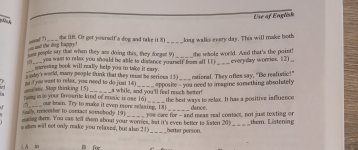
Could you tell me, please which use it is from this list? Either it is not listed, or I misunderstand.If the comma were not there, the reader might see "Try to make it even more relaxing and" and expect a second adjective. The use of the comma makes the break between the two ideas "Make it even more relaxing" and "dance" clear.
 prowritingaid.com

It's the usage called for in the first item of your bulleted list: "Before a coordinating conjunction when it separates two independent clauses." There are two independent imperative clauses: "Try to make it even more relaxing" and "dance." They are separated by the coordinating conjunction "and," and a comma comes before the coordinating conjunction.. . . what kind of comma usage is it?
"Try to make it even more relaxing, and dance."
I don't know. I have a copy. Just a few pages. The list I have in post #7 isn't from the book.What is the date of publication of the book?
Do you mean the list in post #7 that is no longer valid?Some of the comma uses listed there are no longer prevalent in modern English and should not be treated as definitive.
My search for 'Maia Geladze' returned the response 'It looks like there aren't many great matches for your search'. In fact, there are none - Google's never heard of her.
Rover_KE was referring to that list and clearly said "Some of the comma uses listed there are no longer prevalent in modern English ...". From that, you can only extrapolate that some of the uses are "no longer valid", but you can't assume that applies to the whole list.Do you mean the list in post #7thatis no longer valid?
Rover_KE was referring to that list and clearly said "Some of the comma uses listed there are no longer prevalent in modern English ...".
From that, you can only extrapolate that some of the uses are "no longer valid", but you can't assume that applies to the whole list.

 www.grammarly.com
Is this a better list that I could use?
Rules for Using Commas
Ah, the comma. Of all the punctuation marks in English, this one is perhaps the most misused. And it’s no wonder. There are lots…
I just checked again. It is an article about the correct use of commas.That link does not lead to a list of comma uses.
Oh, that's strange. I can read the article without having to sign up.It leads to Grammarly, which requires you to sign up for an account before you can access the articles.
Could you tell me, please which usages are no longer valid from that list in post #7?It leads to Grammarly, which requires you to sign up for an account before you can access the articles.

If you have a question about the English language and would like to ask one of our many English teachers and language experts, please click the button below to let us know: