Ah, well maybe it's just more commonly known where I'm at then, or maybe I'm influenced by having been involved in pouring more concrete than I care to. Growing up on a farm, we frequently had to pour slabs for water tanks, new buildings, etc. There's a pretty strong DIY sentiment regionally as well. Folks will often do the prep and form work themselves, then order in the wet mix, especially for larger projects.
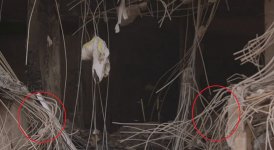
Along with rebar, there's also remesh. As you might surmise, it's a woven fence-like material instead of individual bars.
A large percentage of our local economy is construction trades as well, so even if someone isn't actually involved with concrete, they know some of the buzzwords. Concrete is also commonly used in highways as an alternative to asphalt, so you're constantly driving by road construction where you can see all the metalwork involved prior to the pours.
My mother's house is composed completely of poured concrete. The walls were formed by pouring concrete into interlocking hollow Styrofoam blocks, tied together internally with a network of rebar. The molds then stay on after the concrete has solidified, to add extra insulation value.
Thus, her exterior walls are 14 inches thick. Precast concrete slabs with metal plates form the roof. The metal plates are welded to matching plates embedded in the top of the concrete walls, so essentially her exterior shell is one solid piece.
Yes, we live in tornado country, and she wanted a house as tornado-proof as possible.

In theory, it should withstand a direct hit from a tornado and remain standing, although of course there would be cosmetic damages. Regardless, it's not a theory one particularly wishes to test.