"Indend" "Is intending" to talk about plans

Status
Not open for further replies.

Rachel Adams

Key Member
Joined
Nov 4, 2018
Member Type
Student or Learner
Native Language
Russian
Home Country
Georgia
Current Location
Georgia
Hello.

I know that the verb "to think" and "to consider" can be used in the progressive to talk about something you are going to do. But do you use "intend" in the same way? For example "He is considering buying a new house." Or "He is thinking of buying a new house." But would a native speaker say "He is intending to buy a new house" or is it one of the verbs that is not used in the progressive?
 
It's possible.
 
It works but the simple present would work best.
 
It's possible.

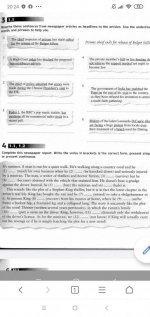
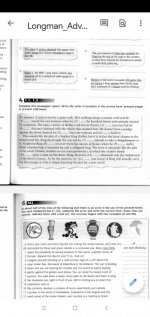
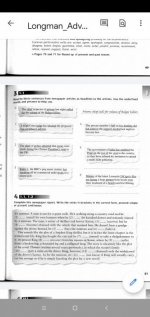
In this context it's wrong but I don't understand why. "Advanced Learner's Grammar" by Mark Foley.
Screenshot_2020-09-30-20-24-48-214_com.android.browser.jpg
The fourth exercise #7 sentence. I am sorry I cannot delete post #5.
 

Attachments

  • Screenshot_2020-09-30-20-21-26-259_com.google.android.apps.docs.jpg
    Screenshot_2020-09-30-20-21-26-259_com.google.android.apps.docs.jpg
    55 KB · Views: 6
You can say:

I intend to buy a house.

Is that what you're asking about?

(I would probably say, "I plan to buy a house.")
 
You can say:

I intend to buy a house.

Is that what you're asking about?

(I would probably say, "I plan to buy a house.")

Yes, but why the book says the progressive is wrong. I don't understand.
 
Yes, but why does the book [STRIKE]says[/STRIKE] say the progressive is wrong? I don't understand.

Rachel, I'm sure you've been here long enough to know how to construct a question properly.

I find "I'm intending to buy a house" perfectly natural in BrE.
 
Rachel, I'm sure you've been here long enough to know how to construct a question properly.

I find "I'm intending to buy a house" perfectly natural in BrE.

"He bought a van and is intending to take s sledgehammer to it" is wrong. This is what I don't understand.
 
"He bought a van and is intending to take s sledgehammer to it" is wrong. This is what I don't understand.

I wouldn't consider it "wrong", but simple present allows the inference that the damage could occur at any time, whereas the continuous suggests to me that the action will occur in the immediate future. Broader context might change my opinion.
 
"He bought a van and is intending to take a sledgehammer to it" is wrong. This is what I don't understand.
It's fine. You can also say "and intends to."

They mean the same thing. There are always more than one way to say something.

But it would be more natural to say "and plans to" or "and is planning to." Again, they would mean the same thing.
 
Last edited:
Status
Not open for further replies.

Ask a Teacher

If you have a question about the English language and would like to ask one of our many English teachers and language experts, please click the button below to let us know:

(Requires Registration)
Back
Top