said "in a statement"

Status
Not open for further replies.

user_user

Member
Joined
Nov 1, 2024
Member Type
Student or Learner
Native Language
Korean
Home Country
South Korea
Current Location
South Korea
"a formal oral or written declaration, especially with regard to facts or claims"
"something that is stated, esp a formal prepared announcement or reply"

1. "In a statement, the firm denied any wrongdoing."

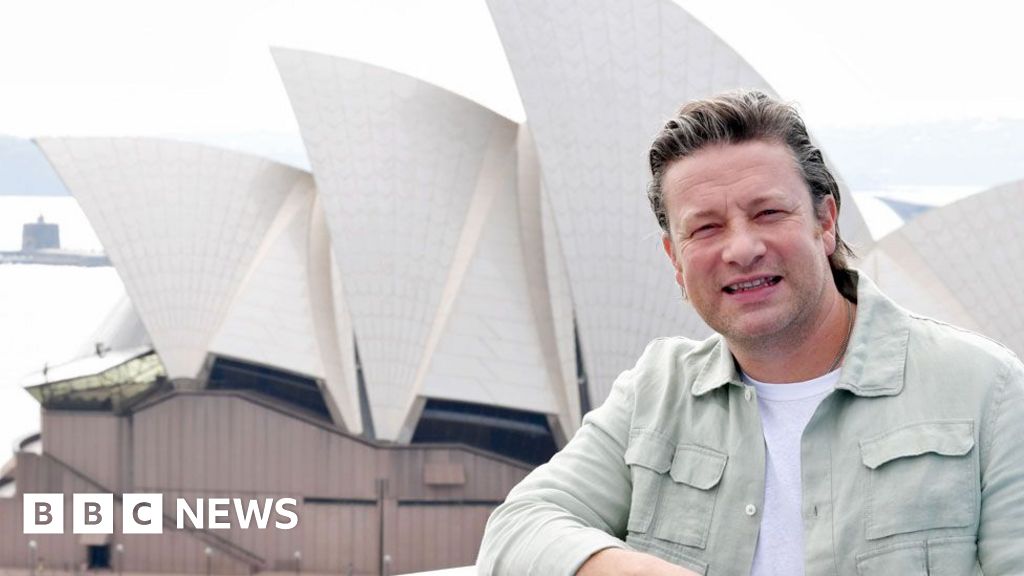
2. "'It was never my intention to misinterpret this deeply painful issue,' he said in a statement."
Question: Can you tell if the statement is wrtten or oral in 1 and 2? or can't tell for sure?
 
There is no way of telling. We use "say" for both oral and written things.

The man said he was sorry. (This could be oral or written.)
The article said the shop would open next week. (The use of "article" means it's written.)
 
Seeing as how it's a formal, prepared announcement, it is first written. It can be delivered orally, but it is first written.
 
Seeing as how it's a formal, prepared announcement, it is first written. It can be delivered orally, but it is first written.
"Prepared". That's only part of one of many definitions. In most definitions, it's more "say or write" as in "a definite or clear expression of something in 'speech or writing.'"
 
In both of your examples, these are prepared statements. Written beforehand. Checked by lawyers.
 
I'm not sure that Jamie Oliver's statement (example 2) was written down. At least, I can imagine it being only spoken.
 
Last edited:
In both of your examples, these are prepared statements. Written beforehand. Checked by lawyers.
"Checked by laywers" doesn't mean anything here. This is a linguistic question. Why do I get the feeling that "said in a statement" sounds more like "said in a written statement" than "said in a spoken statement" when the word statement itself can be either in speech or writing? Like, jutfrank says maybe that feeling is just wrong.
 
But it's not a linguistic question. You're asking whether these utterances were ever written down and whether they were ever spoken, right?

SoothingDave is saying that they were both written, whether they were later spoken or not.
 
But it's not a linguistic question. You're asking whether these utterances were ever written down and whether they were ever spoken, right?

SoothingDave is saying that they were both written, whether they were later spoken or not.
You're saying you're not sure if example 2 was written down, and at least you can imagine it being only spoken. That's pretty much of a linguistic answer I'm looking for. You're pretty much saying when you hear "said in a statement" the possibiliy of that statement being in speech or writing is 50/50. But SoothingDave says the statement is written because it's "prepared" (like I said the definition in my question containing "prepared" is only one of many definitions. Most other definitions contain speech or writing) or "checked by laywers". Anyways, I don't think his answer is a sufficient or a linguistic answer to why he thinks statement in "said in a statement" is a written statement.
 
I can prepare a statement in my head and then give that statement orally. There's nothing within "statement" or "prepared" that suggests that it has to have been written down.
It's true that most people, when preparing a formal statement, write it down so they can look over it, make edits and get the final version ready. However, when it's time to deliver that statement, they can either do it orally (in person or in an online video, for example) or they can send/email it to someone in its written form.
 
I'm not sure that Jamie Oliver's statement (example 2) was written down. At least, I can imagine it being only spoken.

You really think that there was a racial kerfuffle over a published book and the publishing company just sends out a chef to wing it?
 
You really think that there was a racial kerfuffle over a published book and the publishing company just sends out a chef to wing it?

I have no knowledge of any racial kerfuffles and I don't really know the story. You seem to be sure about what happened so I'll take your word for it, of course.

What happened? Oliver wrote a character with supernatural powers and someone got upset about it?
 
I have no knowledge of any racial kerfuffles and I don't really know the story. You seem to be sure about what happened so I'll take your word for it, of course.

What happened? Oliver wrote a character with supernatural powers and someone got upset about it?

He wrote a children's book about an Australian aboriginal girl with magical powers, and this upset people.
 
There's more to it than that:

First Nations leaders have said the book reproduces "harmful stereotypes" and trivialises the "complex and painful" history of Aboriginal and Torres Strait Islander children being forcibly removed from their families under government assimilation policies. ...

 
I see. Well, of course the lawyers got involved in such a shameful display of racial hatred.
 
You really think that there was a racial kerfuffle over a published book and the publishing company just sends out a chef to wing it?
If Jamie Oliver wrote the book, I would expect him to make a statement to respond to any criticism. He'd be doing so as the author, not just as "a chef".

I think we're all getting different ideas of what's meant by "a written statement". If someone writes down a statement but then delivers it orally (at a press conference, for example), it's an oral statement. If they write a statement and then email it to a newspaper or similar, it's a written statement.
 
Status
Not open for further replies.

Ask a Teacher

If you have a question about the English language and would like to ask one of our many English teachers and language experts, please click the button below to let us know:

(Requires Registration)
Back
Top