- Joined
- May 11, 2015
- Member Type
- English Teacher
- Native Language
- English
- Home Country
- United States
- Current Location
- United States
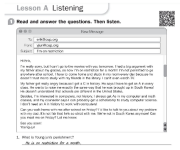
I encountered an expression today when using a textbook produced by Cambridge University Press, and I'm curious if it's just a BrE expression that slipped past AmE editors, or if it's used in AmE and I've just somehow never heard of it.
The term is 'on restriction', in regards to disciplining a child. As punishment, the child is not allowed to leave the house except when strictly necessary (such as school) and may loose other privileges such a phone, internet, and TV access, socializing with friends during free time, and any other restrictions a parent deems fit.
This is what I'd refer to as 'grounded', 'grounding', or 'being grounded'. It's clear from context however that that's exactly how 'on restriction' is being used, so I'm curious is this is used in BrE, or if any AmE speakers have heard/use this.
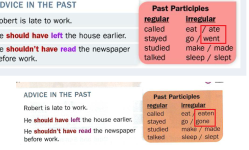
I have found several other blatant errors in the books (such as a list of irregular past participles containing the simple past form instead and other clear typos), so I'm curious on where regionally this term is used. It's used repeatedly throughout the unit, so it's deliberate and not some one-off error.
Do BrE speakers 'ground' their kids, put them 'on restriction', or something else? Any AmE (or other variants) speakers use this?
The term is 'on restriction', in regards to disciplining a child. As punishment, the child is not allowed to leave the house except when strictly necessary (such as school) and may loose other privileges such a phone, internet, and TV access, socializing with friends during free time, and any other restrictions a parent deems fit.
This is what I'd refer to as 'grounded', 'grounding', or 'being grounded'. It's clear from context however that that's exactly how 'on restriction' is being used, so I'm curious is this is used in BrE, or if any AmE speakers have heard/use this.
I have found several other blatant errors in the books (such as a list of irregular past participles containing the simple past form instead and other clear typos), so I'm curious on where regionally this term is used. It's used repeatedly throughout the unit, so it's deliberate and not some one-off error.
Do BrE speakers 'ground' their kids, put them 'on restriction', or something else? Any AmE (or other variants) speakers use this?